Aligners for Teeth: A Modern Solution for Straightening Your Smile
Wiki Article
Aligners for teeth have become one of the most popular
orthodontic treatments for individuals seeking a discreet and comfortable way
to straighten their smile. Unlike traditional braces, aligners for teeth use
clear, removable trays designed to gradually shift teeth into proper alignment
without the use of metal brackets or wires. This modern approach has
transformed orthodontic care by combining aesthetics, comfort, and efficiency.
What Are
Aligners for Teeth?
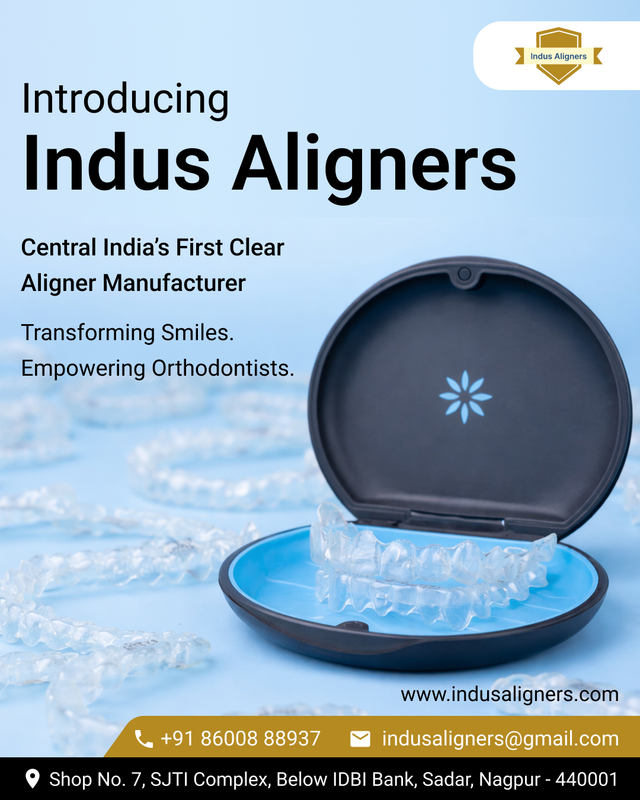
Aligners for teeth are transparent,
custom-made trays created using advanced digital technology. They are typically
made from medical-grade thermoplastic material that fits snugly over your
teeth. Each set of aligners is designed to move specific teeth in small
increments over time.
The treatment process begins
with a dental consultation, followed by 3D scanning or digital impressions of
the teeth. Using specialized software, dentists create a step-by-step treatment
plan that maps out how the teeth will gradually shift into their desired
positions.
How Do
Aligners Work?
The principle behind aligners
for teeth is controlled force. Each aligner tray applies gentle pressure on
specific teeth, encouraging gradual movement. Patients usually wear each set of
aligners for about one to two weeks before progressing to the next set in the
series.
For effective results,
aligners must be worn for 20–22 hours per day. They should only be removed
while eating, drinking anything other than water, and performing oral hygiene
routines.
Regular check-ups allow the
dentist to monitor progress and make adjustments if necessary.
Benefits of
Choosing Aligners
There are several reasons why
aligners for teeth are increasingly preferred over traditional braces:
1. Nearly Invisible Appearance
Clear aligners are discreet,
making them ideal for adults and teenagers who want a subtle orthodontic
solution.
2. Enhanced Comfort
Without metal wires or
brackets, aligners reduce irritation to the gums and inner cheeks.
3. Removable Convenience
Patients can remove aligners
during meals, which means no food restrictions. Oral hygiene is also easier
since brushing and flossing can be done normally.
4. Predictable Treatment Planning
Digital technology allows
patients to visualize their expected results before starting treatment.
5. Fewer Emergency Visits
Since there are no wires to
break or brackets to loosen, aligner treatments often require fewer urgent
dental visits.
Who Can
Benefit from Aligners?
Aligners for teeth can
address a variety of dental concerns, including:
·
Crowded
teeth
·
Gaps
between teeth
·
Overbite
·
Underbite
·
Crossbite
·
Mild
to moderate alignment issues
However, severe orthodontic
cases may require alternative or additional treatments. A comprehensive dental
evaluation is necessary to determine suitability.
Treatment
Duration
The length of aligner
treatment depends on the complexity of the dental issue. On average, treatment may
last between 6 to 18 months. Minor corrections can take less time, while more
complex cases may require extended treatment.
Compliance plays a major role
in treatment success. Wearing aligners as prescribed ensures timely and
effective results.
Care and
Maintenance
Proper care of aligners is
essential to maintain hygiene and transparency. Patients should:
·
Rinse
aligners every time they are removed
·
Clean
them gently with a recommended cleaning solution
·
Avoid
using hot water, which may warp the material
·
Store
aligners in a protective case when not in use
Maintaining good oral hygiene
is equally important to prevent plaque buildup and staining.
Are
Aligners Comfortable?
Some mild pressure or
discomfort may be experienced when switching to a new set of aligners. This
sensation typically subsides within a few days and indicates that the aligners
are working effectively.
Compared to traditional
braces, many patients find aligners more comfortable and easier to manage in
daily life.
Cost
Considerations
The cost of aligners for
teeth varies depending on:
·
The
severity of misalignment
·
Number
of aligners required
·
Duration
of treatment
·
Dental
clinic expertise and technology
While aligners may sometimes
be slightly more expensive than conventional braces, many patients value the
aesthetic and lifestyle benefits they provide.
Post-Treatment
Retention
After completing aligner
treatment, retainers are usually recommended to maintain the newly aligned
position of the teeth. Teeth naturally tend to shift over time, and retainers
help preserve the results achieved through treatment.
Following the dentist’s retention
instructions ensures long-lasting outcomes.
Why
Aligners Are a Growing Trend
With advancements in digital
dentistry and 3D treatment planning, aligners for teeth have become more
precise and efficient. The combination of convenience, aesthetics, and
effective results has made them a preferred orthodontic option globally.
As awareness increases, more
individuals are opting for clear aligners to enhance their smile without
disrupting their daily routine or professional appearance.
Conclusion
Aligners for teeth offer a modern, comfortable, and
discreet solution for correcting misaligned teeth. From mild spacing issues to
moderate bite concerns, aligners provide an effective alternative to
traditional braces. Their removable design, advanced digital planning, and
predictable results make them a highly appealing orthodontic choice.
By consulting a qualified
dental professional and following the prescribed treatment plan, patients can achieve
a healthier, straighter smile. For anyone seeking a convenient and aesthetic
way to improve dental alignment, aligners for teeth represent a reliable and
innovative solution.